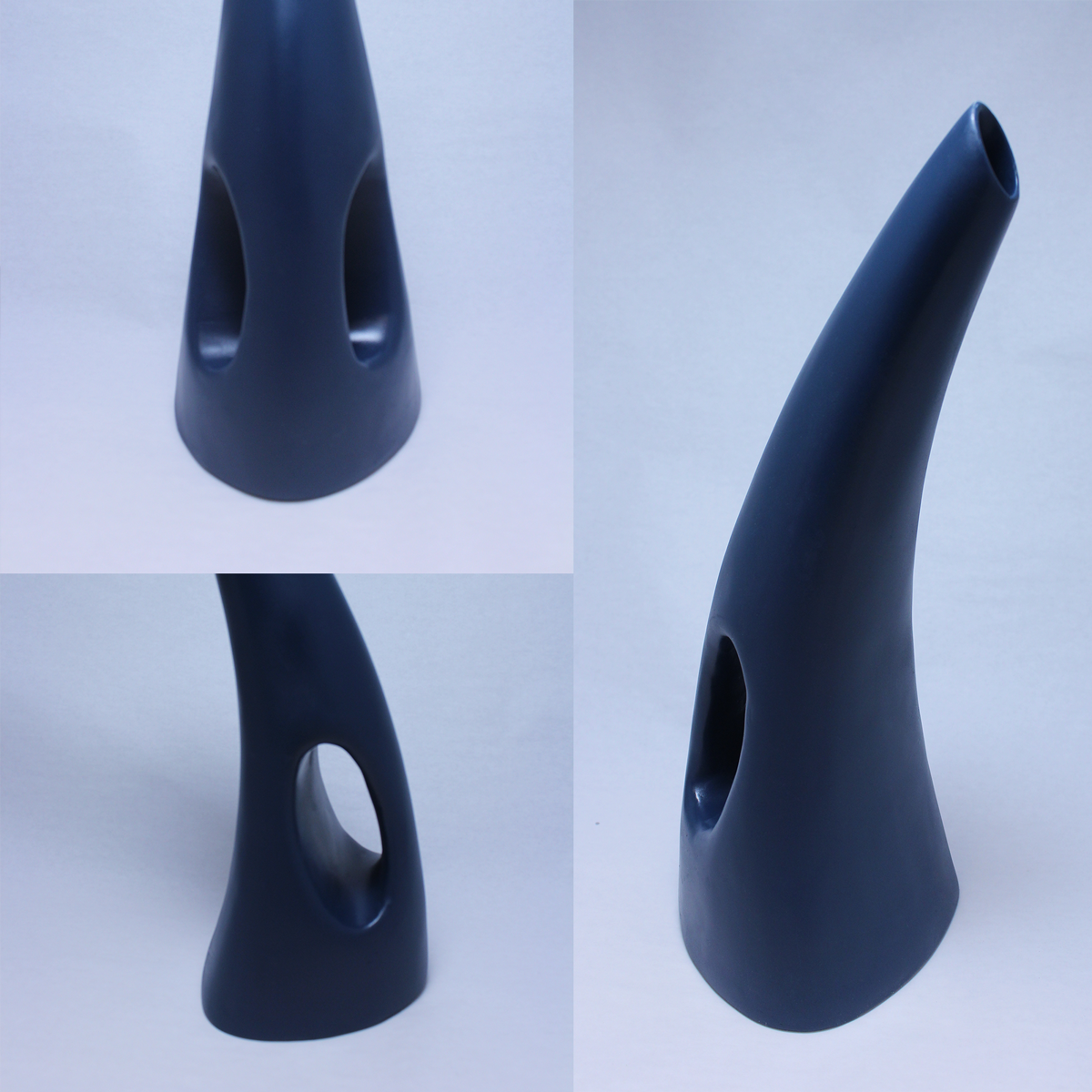
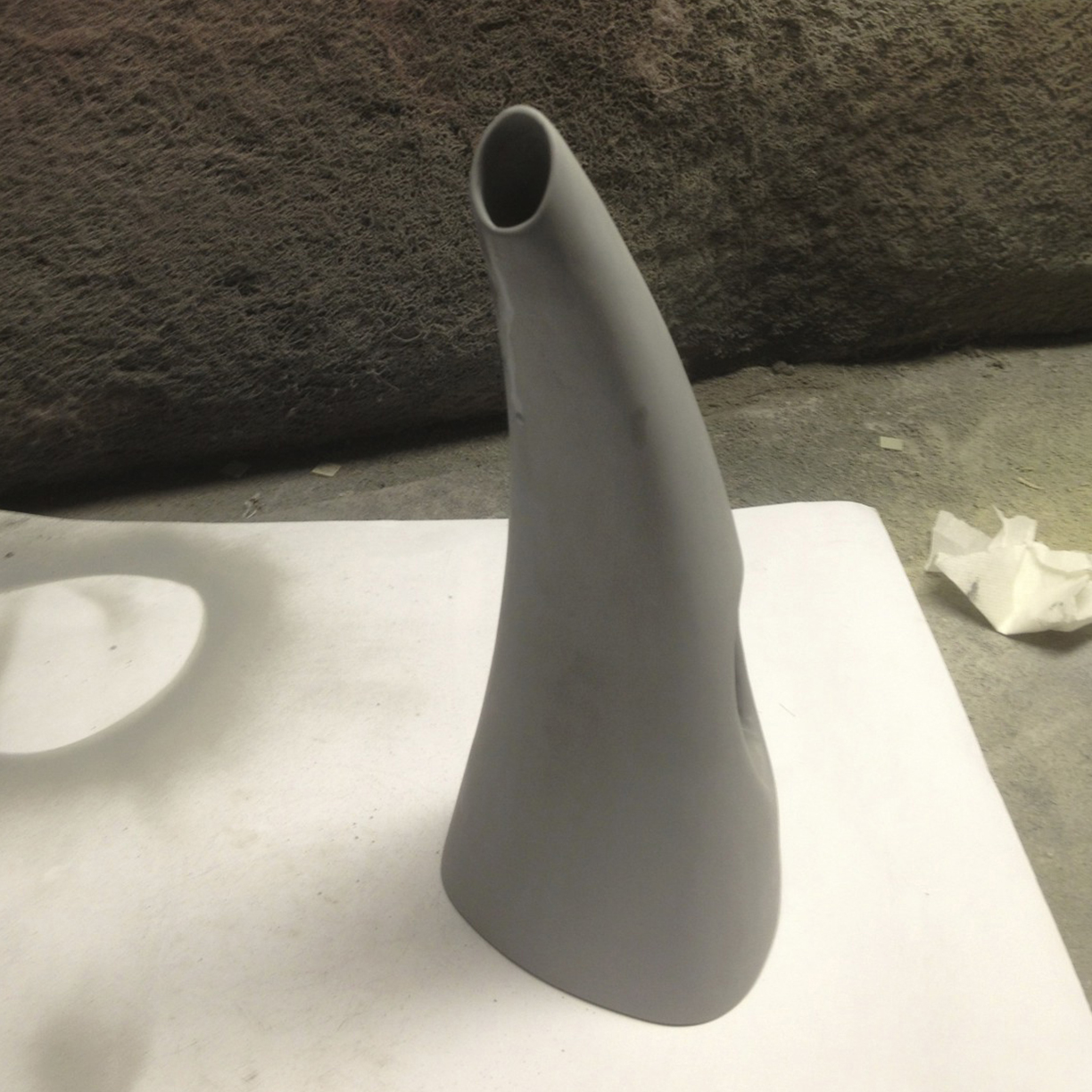
The scope of the project was to design a watering can to alleviate a user pain point using several manufacturing methods that we learned throughout the course.
I surveyed everyday products that dispense liquids and organized them by two uses cases: how they are held, and how they are dispensed. I found that the design of water containers factored in volume, frequency of use, and control. I investigated use and ergonomics to understand the most important problems with using these objects. Using these as a reference for the different variable characteristics, I sketched out different concepts with different attributes to solve these problems.
I found that for some watering cans, volume capacity was more important than control. These watering cans were good at transporting large volumes, but not capable of pouring small, controlled amounts of water. So I wanted to focus on control as the core feature of the watering can but still provide sufficient volume for the user. I chose a concept that had a low handle position, a gradually tapering neck, and a gentle slope to allow for a controlled pour.
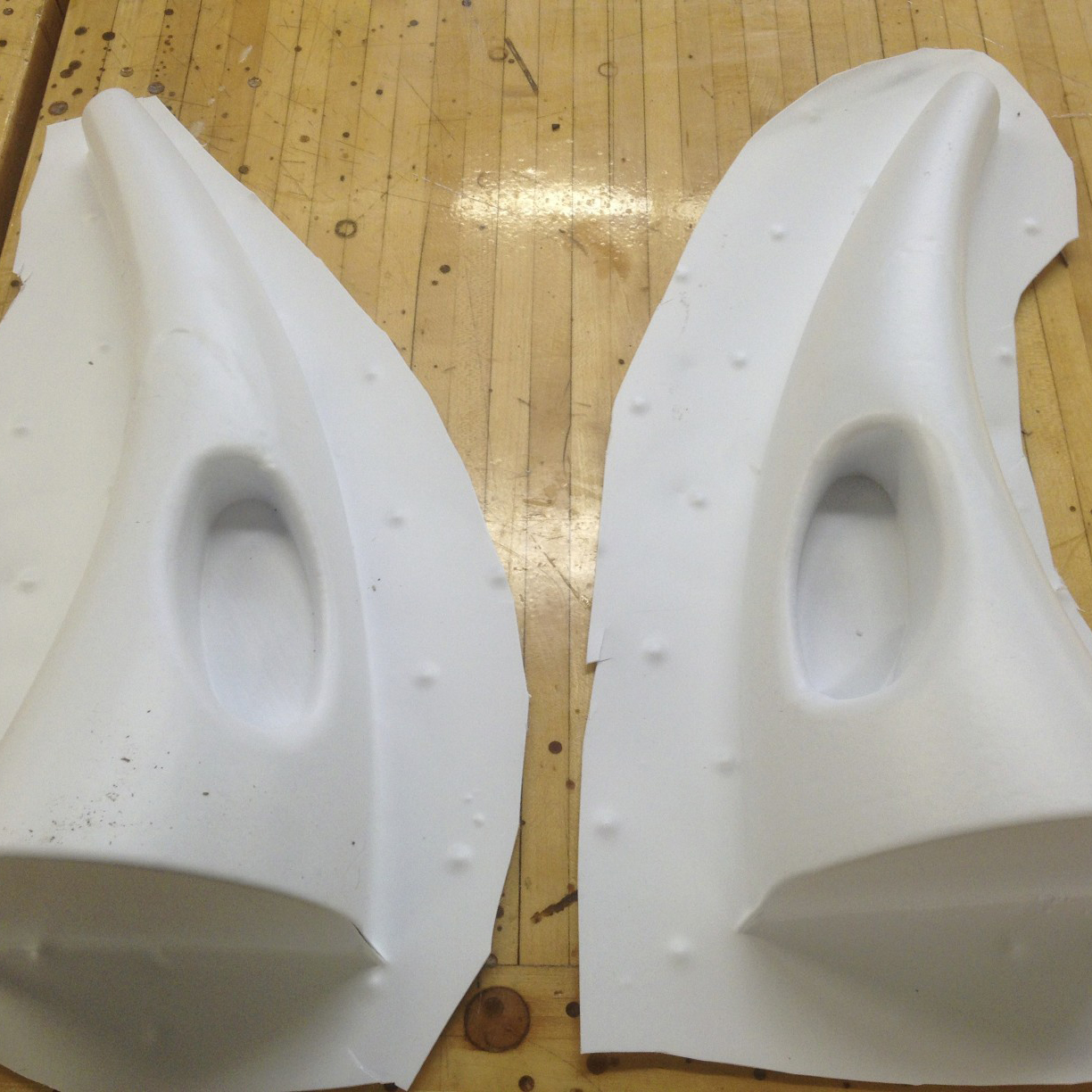
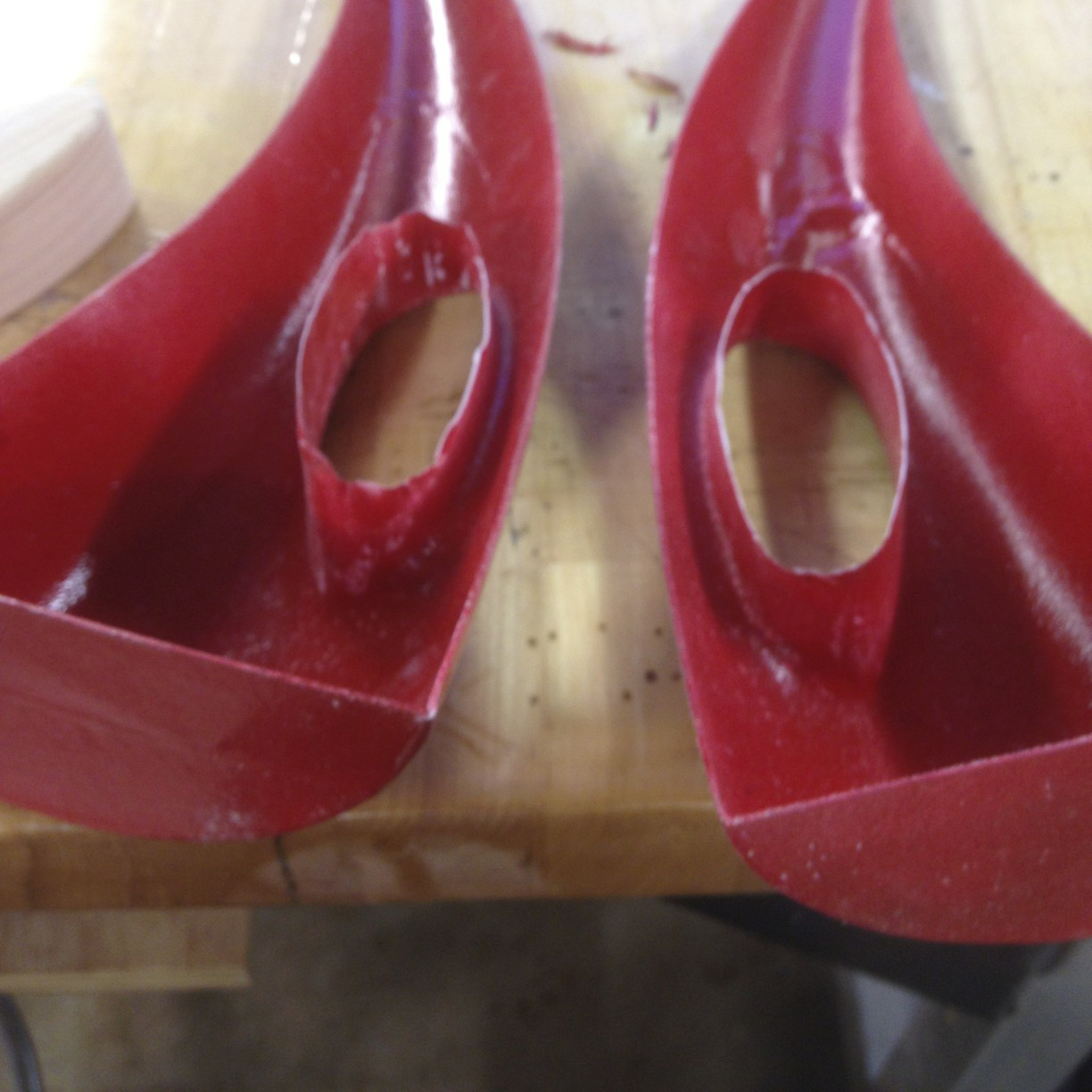
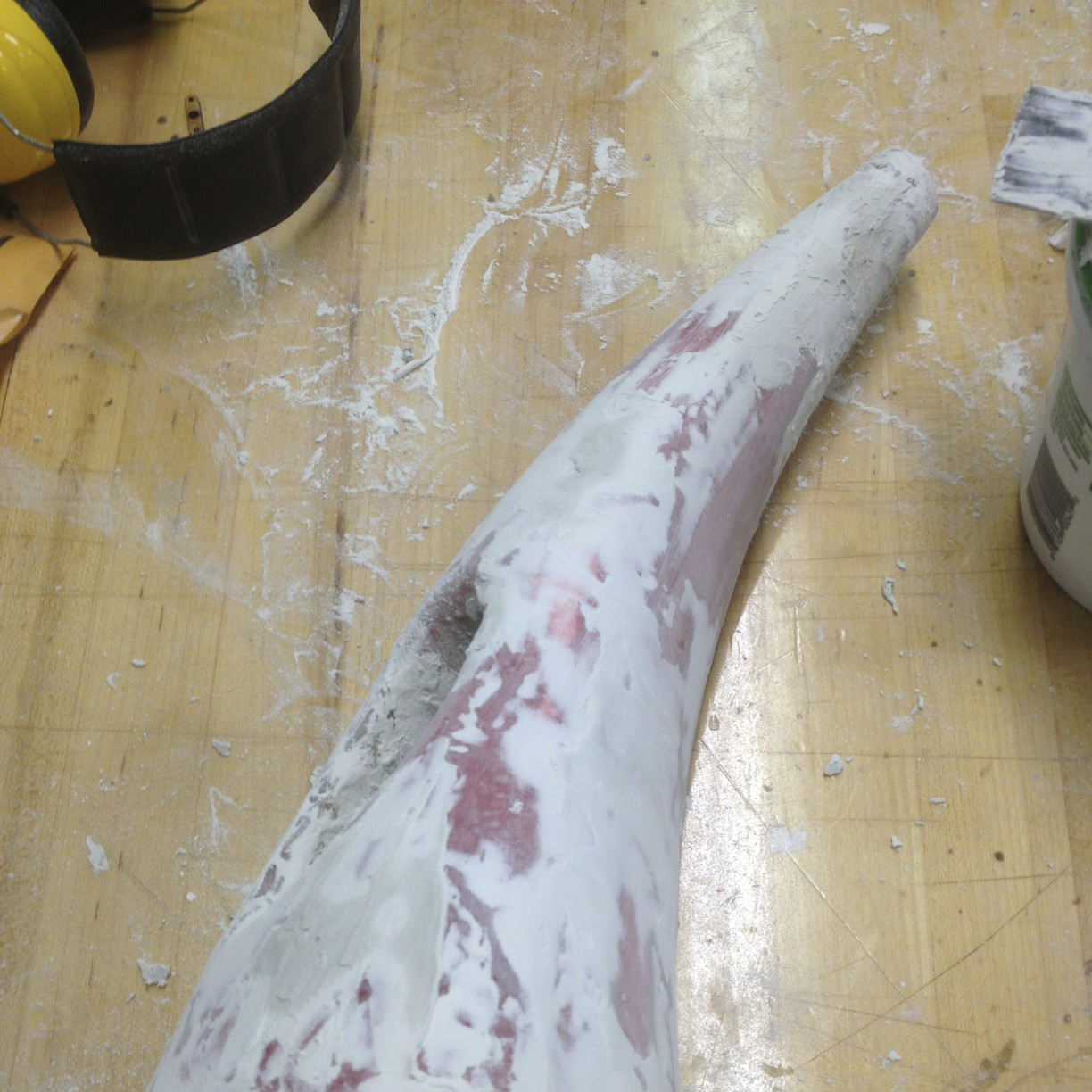
I designed the prototype in Rhinoceros and milled the form with a CNC machine on high-density foam. From the foam pieces, I used a vacuum forming process with styrene plastic sheets to create the shell. I joined the two and sealed the entire side with fiberglass and fiberglass resin.